




Kalki Avatāra (Tenth Avatāra) – The Future Restorer of Dharma
The Avatāra Yet to Come, Who Will End Darkness and Renew the World
Kalki Avatara is the tenth and final avatāra of Vishnu in the Daśāvatāra.
After Buddha (9th Avatāra) guided humanity toward compassion and inner awakening, Dharma now awaits its final intervention—not to teach, guide, or correct, but to decisively restore order.
The arrival of Kalki completes the Ten Divine Incarnations of Vishnu, marking a new beginning for humanity.
Kalki represents the culmination of divine justice.
The Condition of the World at the Time
Kalki is foretold to appear at the end of Kali Yuga, an age marked by:
Moral collapse
Corruption of leadership
Loss of truth and compassion
Power without responsibility
Spiritual knowledge reduced to manipulation
Dharma will be nearly forgotten, and injustice will be normalized.
When society reaches a point where self-correction is no longer possible, divine intervention becomes inevitable.
The Prophecy of Kalki
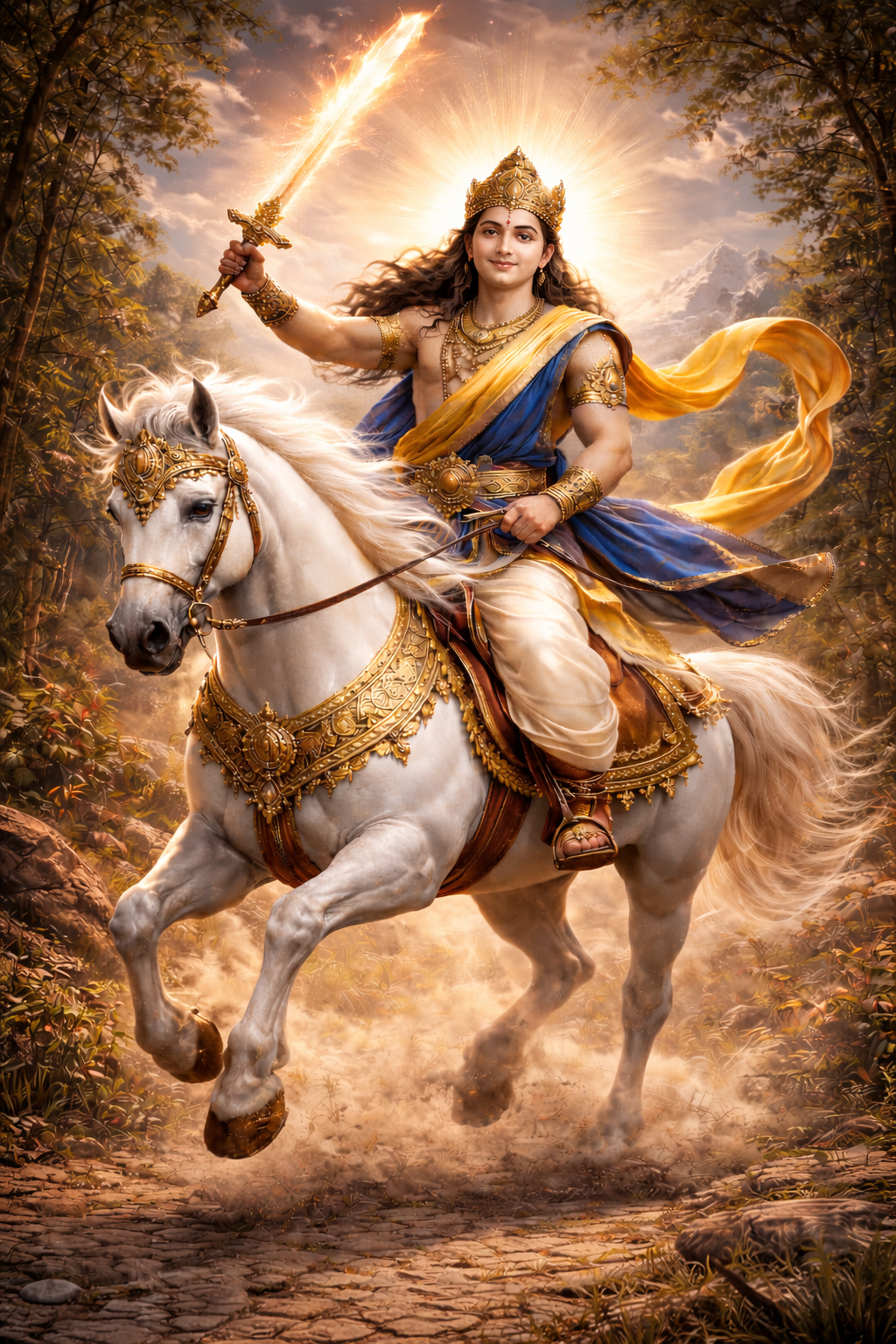
According to the Purāṇas, Kalki will be born in the village of Shambhala to a virtuous Brahmin named Vishnuyasha.
He will appear:
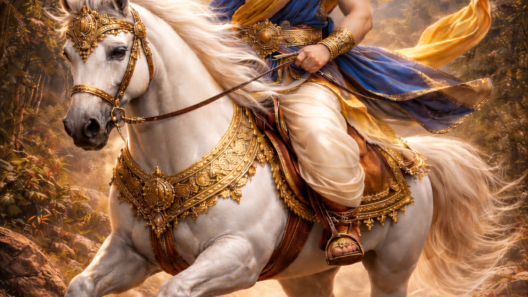
Riding a white horse
Wielding a flaming sword
As a warrior of absolute clarity and purpose
Unlike previous avatāras, Kalki will not negotiate with Adharma.
The Mission of Kalki
Kalki’s role is not symbolic—it is decisive:
Destroy irredeemable evil
End the Kali Yuga
Restore righteousness
Re-establish Dharma
This destruction is not driven by anger, but by cosmic necessity, making space for renewal.
End of the Cycle, Beginning of Renewal
With Kalki’s arrival:
The corrupted structures collapse
Truth regains authority
A new Satya Yuga begins
This reflects a fundamental principle of Sanātana Dharma:
Creation is cyclical—destruction is not an end, but a reset.
Symbolism of the Kalki Avatāra
White horse – Speed, purity, unstoppable truth
Sword – Discernment and decisive justice
Future avatāra – Hope beyond darkness
End of Kali Yuga – Renewal through clarity
Kalki symbolizes truth that can no longer be ignored.
Spiritual and Modern Relevance
Kalki Avatāra is not only about the future—it is a mirror:
When values erode, consequences follow
Ignoring Dharma accelerates collapse
Renewal requires accountability
On a personal level, Kalki urges us to end inner ignorance before it demands external correction.
Simple Takeaway
When Dharma is completely forgotten,
Kalki Avatāra restores balance through decisive truth.
🪔 Key Lessons from Kalki Avatāra (10th Avatāra)
Dharma is inevitable—it will be restored
Cycles end so renewal can begin
Justice delayed is not justice denied
Truth ultimately prevails
Inner reform prevents outer destruction
🔍 Short Summary
The Kalki Avatāra (Tenth Avatāra of Vishnu) is the final divine intervention foretold in Sanātana Dharma. Appearing at the end of Kali Yuga, Kalki will eliminate irredeemable evil and reset the moral order of the world. This avatāra teaches that when humanity abandons righteousness completely, Dharma returns—not gently, but decisively—to begin anew.
🌸 Completion of the Daśāvatāra Journey
With Kalki Avatāra, the Daśāvatāra cycle completes—
from,
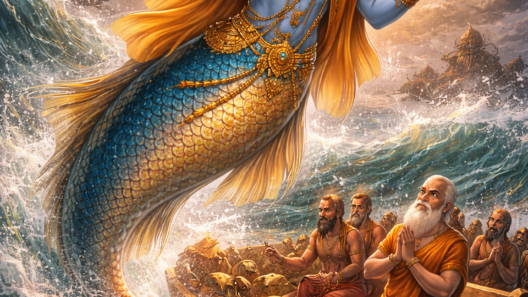
- preservation (Matsya)
- to stability (Kūrma)
- to restoration (Varāha)
- to justice (Narasimha)
- to humility (Vāmana)
- to correction (Parashurāma)
- to ideal living (Rāma)
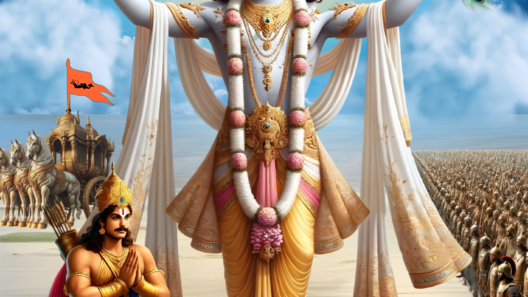
- to wisdom (Kṛṣṇa)
- to compassion (Buddha)
and finally - to renewal (Kalki).