




Buddha Avatāra (Ninth Avatāra) – The Awakener of Compassion and Awareness
The Avatāra Who Redirected Humanity from Ritual to Realization
Buddha Avatāra, the ninth avatar of Lord Vishnu, appeared to awaken compassion, non-violence, and awareness. Explore the Hindu perspective, scriptures, and spiritual significance of Buddha Avatāra.
Buddha is the ninth avatāra of Vishnu in the Daśāvatāra.
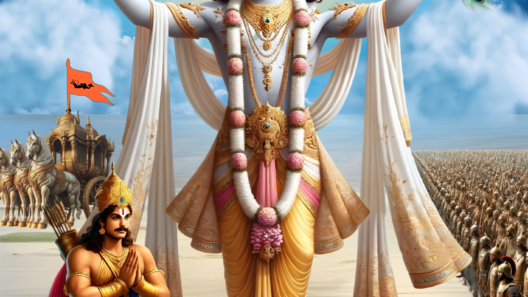
After Kṛṣṇa (8th Avatāra) taught Dharma through wisdom and conscious action, the world entered a phase where rituals overshadowed compassion, and religious practice drifted away from inner truth.
Buddha represents awakening through awareness, non-violence, and compassion.
The emphasis on awareness in the Buddha Avatara is the foundation of our Natural Meditation techniques.
The Condition of the World at the Time
Society had become deeply ritualistic. Spiritual practice often involved:
Excessive rituals
Animal sacrifices
Mechanical observance without inner understanding
Though rooted in tradition, many practices had lost their original purpose. Dharma was being followed externally, but not internally.
Human suffering—mental, emotional, and physical—was widespread, yet poorly understood.
Birth and Renunciation
Buddha was born as Siddhartha Gautama, a prince shielded from suffering. When he encountered:
Old age
Illness
Death
A wandering ascetic
He realized that suffering is universal and renounced his royal life to seek its end.
This renunciation symbolizes turning inward to find truth.
Enlightenment and the Middle Path
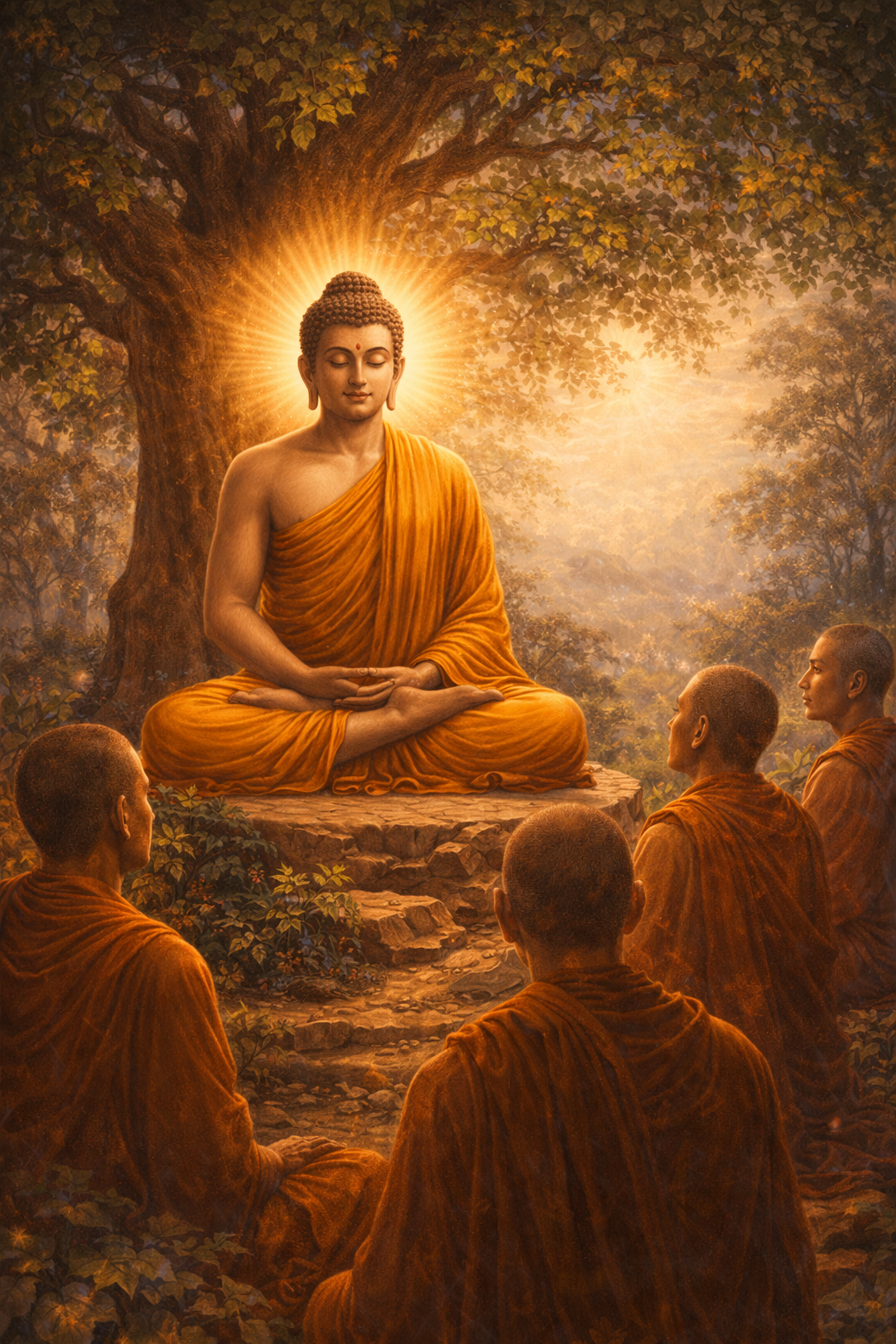
After years of extreme asceticism, Siddhartha attained enlightenment under the Bodhi tree. He realized that neither indulgence nor severe self-denial leads to liberation.
He taught the Middle Path, emphasizing:
Right understanding
Right intention
Right action
Right awareness
At the heart of his teaching lay compassion and mindfulness.
Buddha as an Avatāra in Sanātana Dharma
In Sanātana Dharma, Buddha Avatāra is understood as a divine intervention to:
Reduce violence
Redirect humanity from rigid ritualism
Emphasize inner purity over outer form
By guiding people away from harmful practices, Dharma was preserved in a subtler way.
Symbolism of the Buddha Avatāra
Meditation posture – Inner stillness
Bodhi tree – Awakening through insight
Silence – Truth beyond words
Compassion – Universal empathy
Buddha shows that awakening is a gentle revolution.
Spiritual and Modern Relevance
Buddha Avatāra speaks strongly to modern humanity:
Awareness heals suffering
Compassion dissolves conflict
Inner peace creates outer harmony
In a restless world, Buddha reminds us that freedom begins in the mind.
Simple Takeaway
Buddha Avatāra teaches that ending suffering begins with awareness.
When the mind awakens, compassion naturally follows.
🪔 Key Lessons from Buddha Avatāra (9th Avatāra)
Awareness is the path to freedom
Compassion is the highest practice
Inner transformation matters more than ritual
Non-violence preserves Dharma
Balance leads to liberation
🔍 Short Summary
The Buddha Avatāra (Ninth Avatāra of Vishnu) redirected humanity toward awareness, compassion, and inner realization. By emphasizing the Middle Path and mindful living, Buddha helped restore Dharma in an age where ritual had eclipsed understanding. This avatāra teaches that true liberation arises when ignorance ends and compassion awakens.