


In Hindu tradition, the Seven Chiranjeevis are beings who were granted immortality by divine will. They are believed to still exist in the world today. Unlike ordinary humans, they continue across ages to protect righteousness, preserve knowledge, and guide humanity.
Importantly, the Chiranjeevis are not merely symbolic or historical figures.
They are worshipped in Hindu tradition — some as deities, some as avatars, and others as eternally blessed beings whose presence sustains dharma. Their worship varies by scripture, region, and lineage, but reverence toward them is deeply rooted in living Hindu practice.
1. Ashwatthama
Ashwatthama was the son of Dronacharya, the royal teacher of the Pandavas and Kauravas. He was a powerful warrior during the Mahabharata war and possessed divine weapons and deep knowledge of warfare.
After the war, Ashwatthama committed a grave crime by killing the sleeping sons of the Pandavas. For this act, Lord Krishna cursed him with immortality combined with suffering. He was condemned to wander the earth endlessly, carrying physical pain and mental anguish.
Despite his curse, Ashwatthama remains a Chiranjeevi. In certain folk and Shaiva traditions, he is revered as a guardian figure and an eternal witness to the consequences of adharma.
Ashwatthama represents:
The seriousness of karma
The danger of uncontrolled anger
The fact that immortality itself is divine power
2. King Mahabali
Mahabali was an asura king renowned for his generosity, justice, and devotion. His reign was so righteous that there was no poverty or suffering in his kingdom.
Lord Vishnu appeared as Vamana and asked Mahabali for three steps of land. When Vishnu expanded to cosmic form, Mahabali humbly offered his own head for the final step. Pleased with his devotion, Vishnu granted him immortality and allowed him to rule the underworld.
Mahabali is actively worshipped, especially during the festival of Onam, where he is honored as a righteous and divine king who returns annually to bless his people.
Mahabali represents:
Humility before the divine
Ideal leadership
Devotion beyond ego
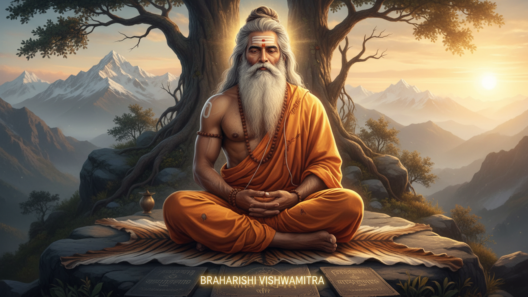
3. Vyasa
Vyasa is one of the greatest sages in Hindu history. He composed the Mahabharata, arranged the four Vedas, and authored several foundational texts.
Vyasa is traditionally regarded as an incarnation of Lord Narayana. His immortality exists to ensure that sacred knowledge is preserved and passed down across generations.
Vyasa is worshipped during Vyasa Puja and revered as a divine teacher, not merely as an author or scholar.
Vyasa represents:
Eternal wisdom
The guru tradition
Preservation of sacred knowledge
4. Hanuman
Hanuman is one of the most widely worshipped figures in Hinduism. A devoted follower of Lord Rama, he played a crucial role in the Ramayana.
Hanuman was blessed with immortality and is believed to live wherever Rama’s name is remembered. He is worshipped as a deity, with countless temples dedicated to him across India and beyond.
Hanuman represents:
Devotion without ego
Strength guided by discipline
Protection and courage
5. Vibhishana
Vibhishana was the younger brother of Ravana. When Ravana refused to follow righteousness, Vibhishana chose truth over family loyalty and supported Lord Rama.
After Ravana’s defeat, Rama crowned Vibhishana king of Lanka and granted him immortality. Vibhishana is revered as a dharmic ruler and is worshipped in regional traditions as a protector king blessed by Rama.
Vibhishana represents:
Moral courage
Loyalty to truth
Ethical leadership
6. Kripacharya
Kripacharya was a teacher, priest, and advisor to the Kuru dynasty. He taught both the Pandavas and Kauravas and survived the Mahabharata war.
His immortality ensures the continued presence of ethical judgment and restraint in the world. Kripacharya is honored through guru traditions and ancestral reverence.
Kripacharya represents:
Balance and wisdom
Moral guidance
The role of teachers in society
7. Parashurama
Parashurama is the sixth avatar of Vishnu and a warrior-sage who eliminated corrupt rulers who abused their power.
Despite his fierce actions, Parashurama is deeply spiritual and disciplined. He trained many legendary warriors and is believed to still live, awaiting the time when justice must again be restored.
Parashurama is worshipped as an avatar of Vishnu, especially in Kerala and coastal regions.
Parashurama represents:
Justice against oppression
Controlled power
Discipline combined with devotion
Are the Chiranjeevis Worshipped?
Yes.
The Seven Chiranjeevis are worshipped in Hindu tradition — either as:
Deities (Hanuman)
Avatars of Vishnu (Parashurama, Vyasa)
Divinely blessed immortal beings (Mahabali, Vibhishana, Ashwatthama, Kripacharya)
Their worship reflects the Hindu understanding that divine presence can exist in many forms.
Why the Chiranjeevis Still Matter Today
The Chiranjeevis remind humanity that:
Dharma is eternal
Actions have lasting consequences
Devotion, humility, and wisdom transcend time
They are living bridges between the past, present, and future.
Ashwatthama, Mahabali, Vyasa, Hanuman, Vibhishana, Kripacharya, and Parashurama — these are the seven immortals.